
How Long Should Your Gadgets Really Last?
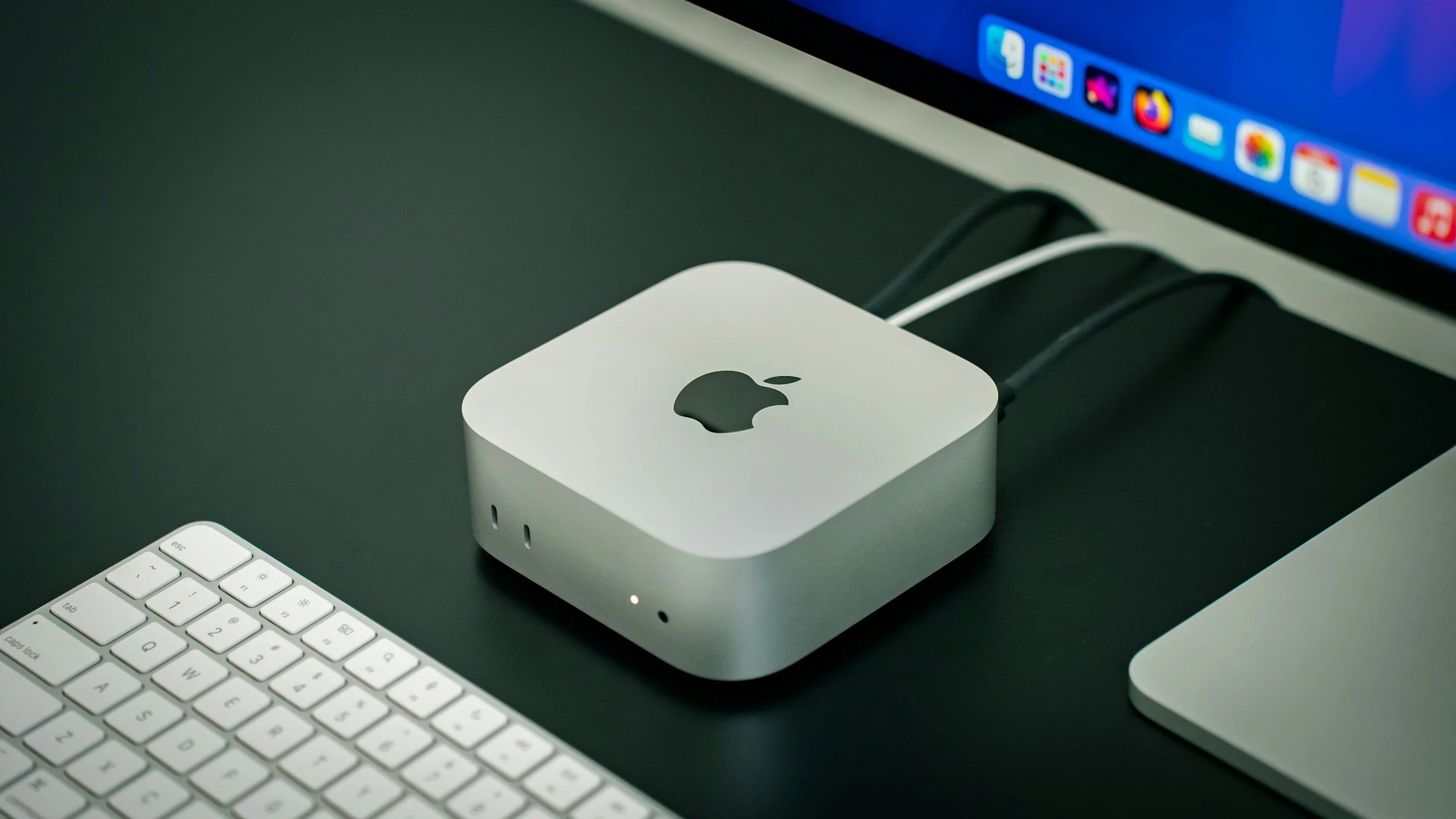
I recently had to retire an old friend.
A 2014 iMac, originally purchased by someone else and later adopted by my wife, finally hit its limit. After five faithful years in our home, it couldn’t run the latest version of macOS anymore. No Sonoma. No Sequoia. It was time.
I replaced it with a shiny new M4 Mac mini. It’s incredibly fast, quiet, and sips electricity like a hummingbird. But it also got me thinking: Why did that 10-year-old iMac feel just fine until the software outpaced it?
Here’s the thing: hardware lasts. Especially on the Apple side of the universe.
From my experience, a MacBook or iMac easily gives you five to seven good years, more if you’re not pushing the limits. iPhones? At least four, maybe five. Apple Watches? Three if you’re lucky, but they’re the exception.
Compare that with the average Windows laptop lifespan—often bogged down by clunky drivers, bloated software, and declining performance after year two. Or Android phones, which might never see an OS update beyond their first birthday.
Apple’s secret sauce is simple: vertical integration. They control the hardware, the software, and the user experience. That means your gadgets not only age more gracefully—they stay useful longer.
But here’s the paradox.
While your iPhone 12 might still be snappy and take great photos, the moment Apple announces the iPhone 16 Pro Max with its LIDAR 2.0 and AI-powered photo mood filters, you feel like your camera is a potato. Each year, the camera upgrade alone gives you a little FOMO. And to be honest, it’s not a bad trade-off—memories do get sharper every year.

